





Do Shutters Block Out Light? Here’s the Truth
September 15, 2025
Overwhelmed by Shutter Choices? Here’s How to Decide
December 30, 2025
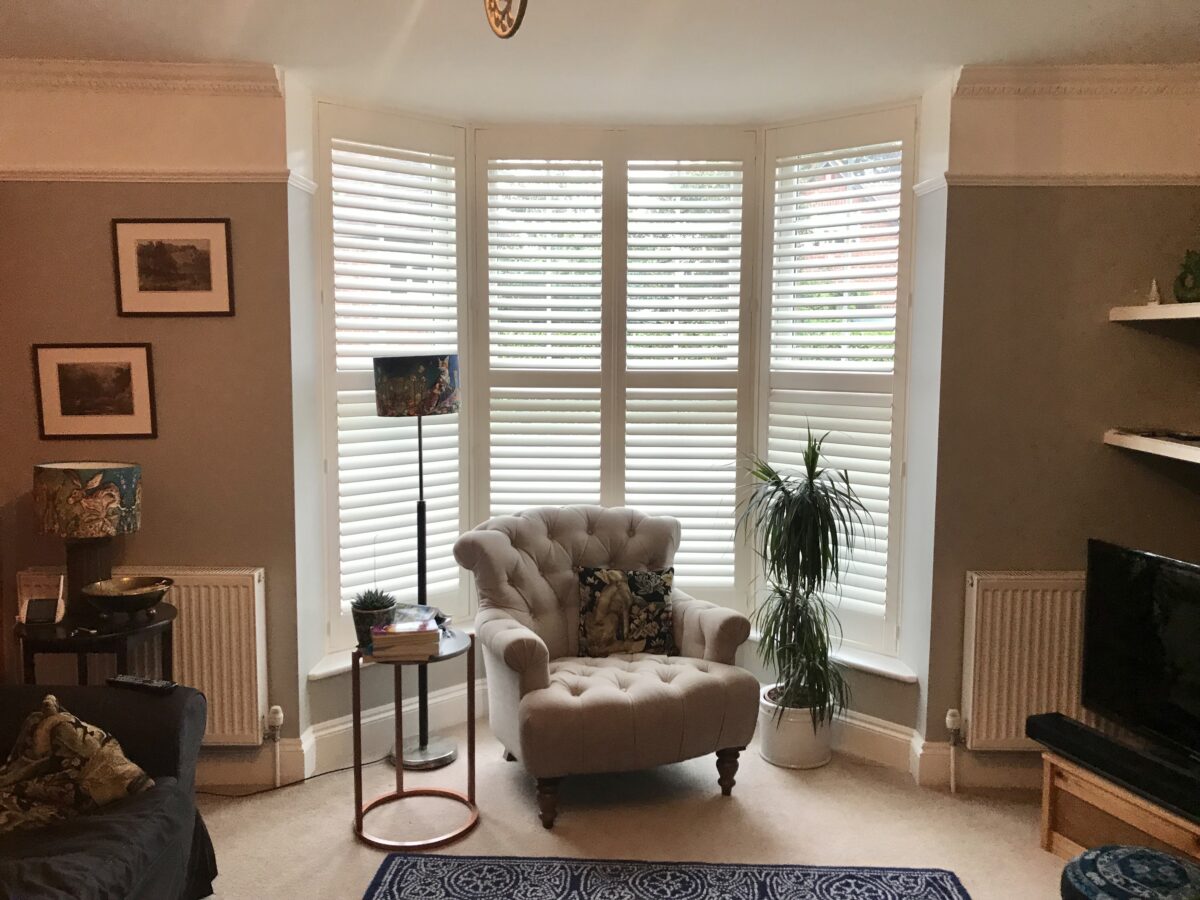
Overwhelmed by Shutter Choices? Here’s How to Decide
When shopping for shutters, one of the biggest decisions you’ll make is choosing the right shutter material.
With over 40 different types available in the market, it can be overwhelming to know where to start. At Hello Shutters, we simplify the process by categorising them into four key groups:
- Premium Hardwood
- Budget Hardwood,
- Engineered Wood (often called Composite or MDF shutters)
- Plastics (PVC shutters or ABS).
Each material has its strengths, and the right choice depends on your room, style, and budget.
1. Premium Hardwood Shutters - A Classic, Luxury Choice
Premium hardwood shutters are the luxury choice. Crafted from slow-grown, dense hardwoods, they deliver natural beauty, strength, and lightweight durability.
These shutters can be custom-finished with stains to highlight their natural grain and texture, making them perfect for feature windows or period properties.
There are also UK-made hardwood shutters available, offering outstanding quality, though at a slightly higher price due to local craftsmanship.
Pros:
- Stunning natural stains & painted options
- Lightweight and strong
- Custom options for bespoke and shaped windows
Cons:
- Premium cost
If you’re looking for shutters that combine elegance with performance, premium hardwood remains the top-tier option.
2. Budget Hardwood Shutters - A Compromise to Consider Carefully
Not all hardwood shutters are created equal. Budget hardwood shutters are made from younger, faster-growing trees - which makes them more affordable, but also less dense and stable than premium hardwood.
They offer the look and warmth of real wood at a lower price point, which makes them a popular choice for homeowners who love the natural appeal of hardwood but are working within a budget. However, because the hardwood is less mature, it can be more prone to bowing, twisting, or hairline cracking over time, particularly in rooms with temperature or humidity changes.
If you’ve been offered hardwood shutters at engineered wood prices, it’s worth pausing before you buy - as lower-grade hardwoods can look appealing at first but may not deliver the same lifespan or stability as engineered wood or Premium Hardwood.
We do offer a budget hardwood option for customers who specifically prefer the feel of natural wood, but for most installations, we recommend engineered wood shutters. They provide a similar aesthetic, with far greater durability, consistency, and long-term performance.
Pros:
- Real wood appearance at a more accessible price
- Popular with homeowners who prefer full wood
- Available in a range of finishes
Cons:
- Can warp, bow, or twist over time
- Less stable than premium hardwood or engineered wood
- May not last as long in changing climates
3. Engineered Wood Shutters (Also Known as Composite or MDF Shutters)
Our recommended choice for the majority of windows and the world’s best-selling shutter, is engineered wood (Antigua).
Engineered wood - sometimes called composite shutters or MDF shutters - combines the strength of a premium hardwood core with a durable MDF outer layer. This innovative material provides the look and feel of hardwood but with added strength and durability.
Engineered wood shutters have been trusted globally for over 20 years, offering exceptional performance in busy family homes.
Why customers love engineered wood shutters:
- Built from engineered wood composite (EWC) with reinforced wooden stiles
- Coated in a patented polypropylene (PP) finish for ultimate durability
- Highly resistant to knocks, bumps, and moisture
- Excellent insulation - keeps your home warm in winter and cool in summer
- Low-maintenance and easy to clean
- Environmentally friendly - uses 95% of each tree and sourced from sustainable forests
* Antigua - Product Information
It’s easy to see why these are considered the “next generation wood” shutters - offering premium performance at an affordable price.
4. Plastic Shutters - PVC vs ABS
Plastic plantation shutters come in different forms, and it’s important to know the difference.
PVC Shutters:
We don’t recommend PVC shutters for most homes. As a polymer, PVC expands and contracts with temperature changes, which can make them brittle over time. They can also yellow or discolour when exposed to sunlight - something no homeowner wants to see.
ABS Shutters:
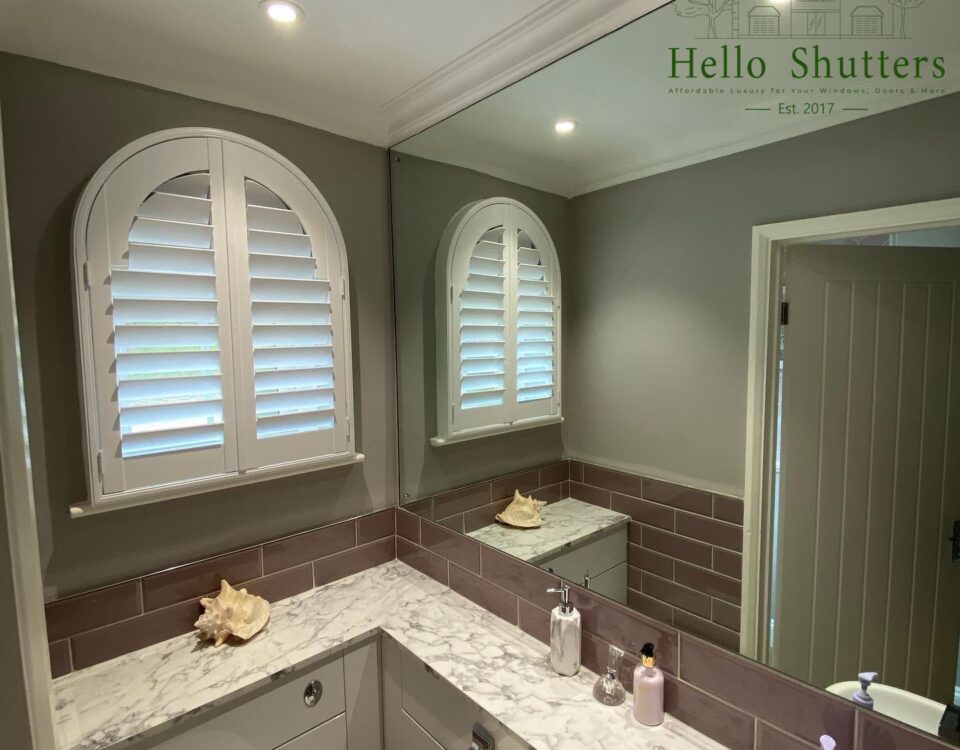
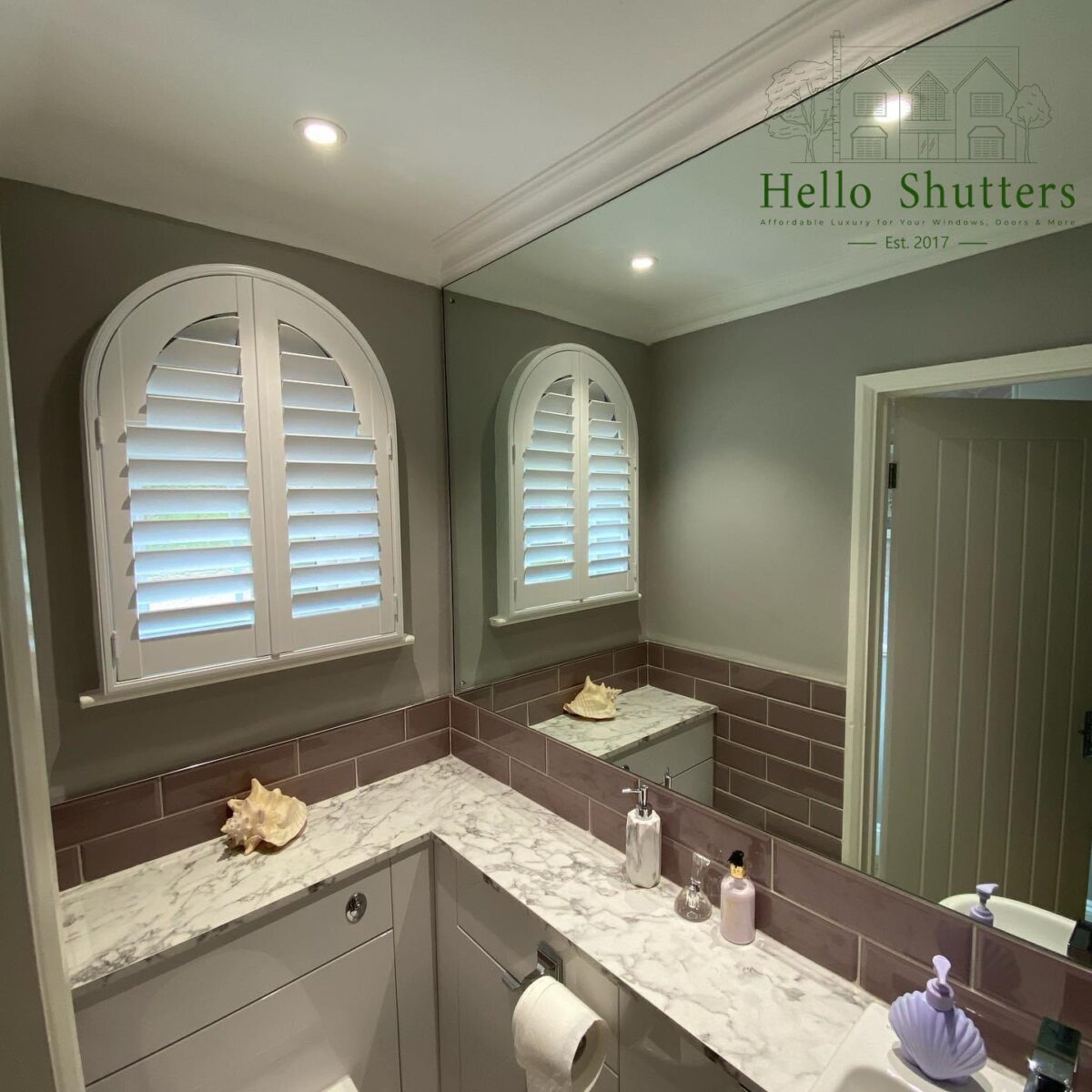
For bathrooms and wet rooms, ABS (Acrylonitrile Butadiene Styrene) shutters are the perfect choice. They’re waterproof, lightweight, and resistant to moisture - ideal for windows near baths or showers. ABS shutters look stylish and maintain their finish even in humid environments, making them the go-to option for waterproof plantation shutters.
Table comparison below:
| Material Type | Best For | Pros | Cons |
|---|---|---|---|
| Premium Hardwood | Large or feature windows | Natural beauty, long-lasting | Expensive |
| Budget Hardwood | Short-term or lower budgets | Natural wood look | Can warp or crack |
| Engineered Wood / Composite / MDF | Most homes | Durable, affordable, eco-friendly | Slightly heavier |
| ABS (Plastic) | Bathrooms | Waterproof, easy to clean | Limited to wet areas |
Final Thoughts
When it comes to shutter materials, there’s no one-size-fits-all answer - but for most homes, engineered wood shutters (also referred to as composite shutters or MDF shutters) strike the perfect balance between quality, durability, and price.
With full market access, we provide honest advice and exceptional products, so that you can be sure that you have the right material for your shutters.
If you’re unsure which material suits your home best, our expert team is here to help guide you through every step.